Leather Manufacturers in Turkey: Bags, Shoes, Garments and Leather Goods Sourcing
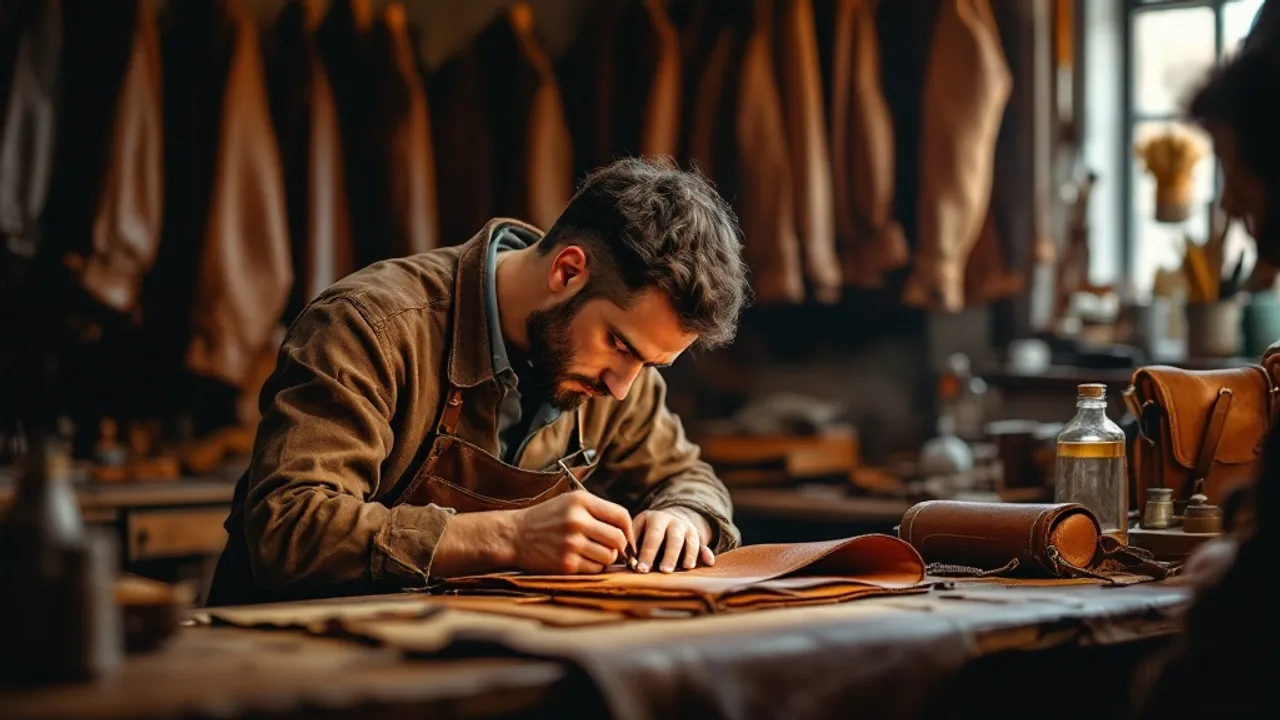
Turkey — Traditional Leather Powerhouse
Turkey has been a leather center for centuries — from Ottoman-era saddlery to today's export-oriented industry. Total annual leather sector exports: USD 1.7 billion+ across:
- Finished leather (hides)
- Leather garments
- Leather shoes and boots
- Leather bags and small goods
- Leather accessories (belts, wallets, gloves)
Turkey combines:
- Established tanning infrastructure (Tuzla and İzmir leather zones)
- Craftsmanship tradition (family-run workshops)
- Design capability (recognized brands, fashion week presence)
- EU proximity and Customs Union zero-duty
Production Hubs
Tuzla (Istanbul)
The Tuzla Deri OSB (Leather Organized Industrial Zone) is Turkey's largest tanning center — 150+ tanneries producing:
- Cow leather (for shoes, bags, garments)
- Buffalo leather (thicker, for industrial applications)
- Suede and nubuck
The zone has centralized environmental compliance (wastewater treatment) — important for buyers demanding sustainable sourcing.
İzmir (Menemen)
Second major tanning cluster:
- Sheep and goat leather (thinner, garment focus)
- Specialty finishes
- Exotic leather processing (with proper CITES documentation)
Istanbul (Zeytinburnu, Bayrampaşa)
- Leather garment production (jackets, coats)
- Leather bag workshops
- Small-batch high-end production
Denizli, Corlu
- Leather shoe production (moving from Bulgaria/China)
Corum
- Traditional leather workshops
- Small leather goods
Product Categories
Leather Garments
- Jackets: motorcycle style, blazer, aviator, biker
- Coats: shearling, fur-lined, long trench
- Vests
- Skirts and dresses
- Pants
Turkish garment leather is particularly strong in shearling and fur-lined production (Anatolian sheep supply).
Leather Bags
- Handbags (satchel, tote, crossbody, clutch)
- Backpacks
- Wallets and cardholders
- Belts
- Briefcases and laptop bags
- Travel luggage
Leather Shoes
- Men's dress shoes (Oxford, Derby, brogue)
- Women's heels, flats, boots
- Boots (Chelsea, Ankle, riding)
- Casual leather sneakers
- Slippers
Small Goods
- Wallets, cardholders
- Passport covers
- Keychains
- Watch straps
- Phone cases
Industrial/Special
- Automotive leather (some Turkish supply to European auto)
- Furniture leather (upholstery)
- Sporting equipment (gloves, balls)
MOQs and Pricing
Leather Garments
| Product | MOQ | FOB Price Range (USD) |
|---|---|---|
| Basic biker jacket (cow leather) | 100-200 | $60-150 |
| Fashion leather blazer | 100-200 | $80-180 |
| Shearling coat | 50-100 | $200-500 |
| Leather pants | 100-300 | $50-120 |
Leather Bags
| Product | MOQ | Price (USD) |
|---|---|---|
| Basic tote (100% cow leather) | 100-300 | $18-45 |
| Fashion handbag (with hardware) | 200-500 | $25-70 |
| Backpack | 100-300 | $30-80 |
| Leather wallet (basic) | 500-1000 | $6-15 |
| Executive briefcase | 100-200 | $60-150 |
Leather Shoes
| Product | MOQ | Price (USD) |
|---|---|---|
| Men's dress shoe | 200-500 pairs | $18-45 |
| Women's heels | 300-500 pairs | $12-30 |
| Boots (Chelsea) | 200-400 pairs | $25-60 |
| Casual sneaker (leather) | 500-1000 pairs | $15-35 |
Higher MOQ typically halves per-unit price. Custom design vs catalog also 15-25% price uplift.
Leather Types Explained
Understanding leather quality is essential:
Full-Grain
Top-layer of hide, natural surface preserved. Most durable, ages beautifully. Premium products. Preferred for luxury.
Top-Grain
Surface sanded to remove imperfections then coated. Smoother appearance, less character. Common mid-market.
Corrected-Grain / Split-Grain
Heavily processed lower layers with artificial grain embossed. Lower quality but consistent. Budget/mass market.
Bonded Leather
Leather scraps glued together. Not real leather in strict sense. Very low quality. Avoid unless disclosed to end customer.
Suede
Inner layer of hide, brushed to create soft texture. Requires special care.
Nubuck
Top-grain leather sanded to create suede-like feel but more durable.
Reputable Turkish tanneries and factories work with full-grain and top-grain; corrected-grain is typically for budget shoe production.
Quality Indicators
- Grain consistency — visible grain should be even and natural
- Softness/flexibility — Turkish tanning produces supple leather
- Smell — real leather has earthy natural smell; chemical smell indicates over-processing
- Edge finishing — bag/shoe edges should be sealed/burnished properly
- Stitching — 6-8 stitches per inch for quality construction
- Hardware — zippers (YKK preferred), rivets, buckles quality visible
- Lining — quality bags have real leather or good fabric lining, not thin polyester
Certifications & Standards
- Leather Working Group (LWG) — sustainability certification for tanneries; gold rating = highest
- REACH compliance — EU chemical safety (banned substance list)
- CADS — Chemical Additive Data Sheet
- PROP 65 — California-specific chemical warnings
- CITES — for exotic leather (crocodile, snake, ostrich)
Toko-vetted tanneries and factories carry appropriate certifications for target market.
Sourcing Process
Stage 1: Concept & Design
- Tech pack with construction, materials, hardware specifications
- Reference images (competitor products, mood board)
- Volume estimate
- Target price range and quality tier
Stage 2: Factory Selection
- Different factories excel at different products (bag factory ≠ shoe factory)
- Toko provides shortlist of 3-5 matched producers
Stage 3: Sample Development
- Prototype (3-4 weeks): USD 100-400 per sample
- Salesman sample (with correct materials): 2-3 weeks
- Pre-production sample from bulk material: 2 weeks
Stage 4: Bulk Production
- 6-10 weeks depending on complexity
- Progress inspection at 30%, 60%, 90%
- Pre-shipment inspection standard
Stage 5: Shipping
- Bags: sea container (large volume), air (samples/small)
- Shoes: sea container almost always
- Garments: sea or air depending on season
Common Pitfalls
- "Genuine leather" ≠ full-grain — clarify grade in contract
- Fabric-backed leather — some factories use leather bonded to fabric backing for shoes, reduces cost but also durability
- Color variance — natural leather has variation; establish acceptance range
- Hardware quality — cheap zippers destroy a $50 bag; specify YKK or equivalent
- Stitching inconsistency — check stitch density in samples
- Sizing standards — shoe sizes differ (EU/US/UK); provide detailed size chart with volume per size
- Seasonal timing — leather production peaks Sep-Dec (winter product); off-season lead time drops
Sustainability & Ethical Sourcing
Growing importance for European and North American buyers:
- Ensure LWG-certified tannery (medal or gold rating)
- Ask for wastewater treatment documentation
- Chrome vs vegetable tanning (chrome faster/cheaper, veg more traditional)
- Chrome-free tanning available in select Turkish tanneries
- Byproduct sourcing (leather is byproduct of meat industry — ensure ethical claims are substantiated)
Toko Leather Sourcing
- Deep relationships with Tuzla and İzmir tanneries
- Bag, shoe and garment factory network across Istanbul and secondary hubs
- Sample coordination from 3-4 factories simultaneously
- Custom design execution from tech packs
- Hardware sourcing (buckles, zippers, rivets)
- QC standard: grain check, stitching count, hardware function, dimensional accuracy
- Full export logistics via sea, road (TIR to EU), or air
- Sustainability documentation (LWG, REACH)
Commission: 4-8% of order value.
Frequently Asked Questions
How does Turkish leather compare to Italian? Italian tanning still leads in ultra-premium (Louis Vuitton, Hermès grade). Turkish tanning is excellent for mid-premium — think Coach, Michael Kors, Ted Baker quality tier. Price is 40-60% below Italian equivalent.
Can Turkish factories produce for luxury retail? Yes for accessible luxury. Many recognizable European brands' leather goods are made in Turkey — often not disclosed to end consumers. Quality can meet Coach/Kate Spade standards.
How long does bag production take? Standard catalog: 6-8 weeks. Custom design: 10-14 weeks. Complex hardware/embroidery: 12-16 weeks.
Are exotic leather (crocodile, snake) available? Yes but requires CITES documentation and strict traceability. Toko facilitates only for buyers with clear compliance framework — luxury brands with legal team.
Vegan/synthetic leather alternatives from Turkey? Yes — polyurethane (PU) leather production is significant in Turkey. Quality varies widely. Some mills produce recycled PU or plant-based alternatives (Piñatex-style).
Source leather goods from Turkey — from mid-market to accessible luxury. Toko Trading offers deep supplier network access. Contact us or get a quote with your product spec.
See also: Product Sourcing Service in Turkey — our end-to-end process, pricing model and QC standards.